Key Takeaways
- Different breast screening procedures are designed to detect different changes in breast tissue.
- Screening tests can help identify abnormalities before symptoms become noticeable.
- Mammograms, ultrasound scans, MRI scans and biopsies each serve different purposes.
- The most suitable screening approach depends on factors such as age, breast density, symptoms and individual risk factors.
Breast health concerns can feel overwhelming, especially when you come across multiple screening tests and are unsure why more than one may be recommended. Many people assume every breast test does the same thing, but different breast screening procedures are designed to look for different signs within the breast tissue.
Understanding what each test is intended to assess can help you feel more informed when discussing your breast health with your doctor.
What Are Breast Screening Procedures Meant to Detect?
Breast screening procedures generally aim to identify changes within breast tissue that may require further assessment. These changes can include,
- Small lumps or masses
- Areas of unusual tissue density
- Tiny calcium deposits (microcalcifications)
- Fluid-filled cysts
- Structural changes within breast tissue
- Areas that may need closer evaluation
Not every finding automatically indicates breast cancer. Some breast changes may be non-cancerous and can occur due to hormonal changes, ageing, or other breast conditions.
What Does a Mammogram Actually Look For?
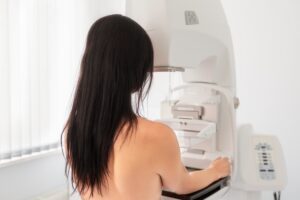
A mammogram uses low-dose X-rays to create images of breast tissue. During a mammogram, doctors commonly assess,
- Small breast lumps that may not be felt during self-examination
- Tiny calcium deposits known as microcalcifications
- Changes in tissue patterns
- Areas of asymmetry between breasts
- Dense areas that appear different from the surrounding tissue
Mammograms can sometimes identify changes before physical symptoms develop. For many women, mammography forms an important part of breast screening discussions, particularly as age-related risk factors change.
Why Might a Breast Ultrasound Be Recommended?
Breast ultrasound uses sound waves to create images of breast tissue. Unlike mammograms, ultrasound scans can help differentiate between,
- Fluid-filled cysts
- Solid masses
- Certain tissue abnormalities
- Changes in dense breast tissue
Ultrasounds may sometimes be used alongside mammograms because dense breast tissue can make certain findings more difficult to assess on X-ray images alone. The procedure does not involve radiation and is commonly used when further evaluation is needed.
What Does a Breast MRI Scan Look For?
Magnetic Resonance Imaging (MRI) creates highly detailed breast images using magnetic fields and radio waves. A breast MRI may help assess,
- Areas requiring additional clarification after other imaging tests
- Multiple areas of concern within the breast tissue
- Tissue changes that may not be easily visible on other imaging methods
- Breast structures in individuals with specific risk considerations
MRI scans are not routinely used for everyone and may be considered based on individual circumstances.
When Is a Breast Biopsy Needed?
Imaging tests can identify areas that require further assessment, but they cannot always determine exactly what a tissue change represents.
A biopsy involves taking a small sample of tissue for laboratory analysis. It may help assess,
- Whether tissue changes are non-cancerous or cancerous
- The characteristics of abnormal cells
- Information that guides further management discussions
A biopsy does not automatically mean cancer is present. It simply provides more detailed information when needed.
Frequently Asked Questions
1. Do breast screening procedures hurt?
Experiences vary. Some procedures, such as mammograms, may cause temporary pressure or discomfort, while others, such as ultrasounds, are generally painless.
2. How often should breast screening be done?
The frequency depends on individual factors such as age, family history and personal medical circumstances. Your doctor can advise on an appropriate schedule.
3. Can I have breast cancer if I do not feel a lump?
Yes. Some breast changes may not be noticeable physically and can sometimes only be detected through imaging tests.
4. If one test appears normal, do I still need another?
Sometimes yes. Different breast screening procedures provide different types of information, and doctors may use more than one test to obtain a clearer assessment.
Looking for Guidance on Breast Health Concerns?
Understanding breast changes early can support informed healthcare decisions. If you have concerns about symptoms, family history, or questions about suitable breast screening procedures, seeking medical advice can help clarify the next steps.
At Radhika Breast & General Surgery, Dr Radhika Lakshmanan provides personalised assessment and discussions tailored to individual breast health concerns. Book a consultation today to discuss your breast health concerns and understand which screening options may be appropriate for you.