Becoming a mother brings many physical changes, and your breasts are no exception. While many breast changes after pregnancy are a natural part of recovery and breastfeeding, some symptoms may require medical attention. Knowing the difference can help you feel more confident about your health and seek timely care if needed.
Key Takeaways
- Breast changes after pregnancy are common and often linked to hormonal shifts, breastfeeding, and weaning.
- Most changes, such as fullness, tenderness, and size differences, are temporary and improve over time.
- Persistent lumps, unusual nipple discharge, or skin changes should be assessed by a doctor.
- Early evaluation can help identify the cause of any concerning breast changes and provide appropriate treatment where necessary.
Which Breast Changes After Pregnancy Are Considered Normal?
Your body undergoes significant hormonal adjustments during pregnancy and after childbirth. These changes prepare your breasts for breastfeeding and continue as your body recovers. The following are generally considered normal,
- Breasts become larger or fuller as milk production begins.
- Tenderness or mild discomfort, particularly during the early weeks of breastfeeding.
- Engorgement, where the breasts feel firm or swollen if milk builds up.
- Leaking breast milk between feeds.
- Changes in nipple colour or size, with nipples and areolas often becoming darker or larger.
- One breast appears slightly larger than the other, especially if your baby prefers one side.
- Breasts become softer or smaller after weaning, as milk production gradually stops.
These changes usually settle naturally over time. However, every woman’s experience is different, and recovery may vary depending on breastfeeding duration, age, and individual health.
Which Breast Changes After Pregnancy Should Not Be Ignored?
Although many postpartum breast changes are harmless, certain symptoms deserve medical assessment. Speak to a doctor if you notice,
- A new breast lump that does not disappear after breastfeeding or pumping.
- A lump that continues to grow or feels different from surrounding tissue.
- Persistent breast pain that does not improve.
- Redness, warmth, swelling, or fever, which may suggest a breast infection (mastitis).
- Bloody or spontaneous nipple discharge that is unrelated to breastfeeding.
- Skin dimpling, thickening, or an orange peel-like appearance.
- A nipple that suddenly turns inward if this is a new change.
- Swollen lymph nodes around the underarm or collarbone.
While these symptoms do not always indicate a serious condition, they should be assessed promptly to determine the underlying cause.
Could Breast Lumps After Pregnancy Be Normal?
Yes. Many breast lumps after pregnancy are caused by non-cancerous conditions, including,
- Blocked milk ducts
- Milk-filled cysts (galactoceles)
- Breast infections or abscesses
- Benign breast cysts or fibroadenomas
However, because breast cancer can also occur during pregnancy or after childbirth, any persistent lump should be evaluated rather than assumed to be breastfeeding-related.
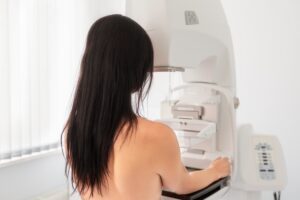
A doctor may recommend a physical examination and appropriate imaging, such as an ultrasound or mammogram, depending on your age, symptoms, and breastfeeding status.
How Can You Keep Your Breasts Healthy After Pregnancy?
Simple self-care habits can support breast health during the postpartum period. Consider the following,
- Perform regular breast self-awareness by noticing any new or persistent changes.
- Empty the breasts regularly if breastfeeding to reduce the risk of blocked ducts.
- Wear a supportive, well-fitting bra.
- Maintain good breastfeeding hygiene.
- Stay hydrated and eat a balanced diet to support recovery.
- Arrange a medical review if any unusual breast symptoms persist beyond a few days.
FAQs
- How long do breast changes after pregnancy usually last?
Many breast changes after pregnancy gradually improve over several months. If you breastfeed, some changes may continue until after weaning.
- Is it normal for one breast to be bigger than the other after pregnancy?
Yes. Slight differences in breast size are common, particularly if your baby feeds more from one breast.
- Should I worry about breast pain after pregnancy?
Mild discomfort related to breastfeeding or engorgement is common. Persistent pain, especially when associated with a lump, redness, or fever, should be assessed by a doctor.
- Can I have breast imaging while breastfeeding?
Yes. If needed, your doctor may recommend imaging such as a breast ultrasound or mammogram. These investigations can usually be performed safely during breastfeeding.
Take the Next Step for Your Breast Health
Most breast changes after pregnancy are a normal part of your body’s recovery. However, if you notice persistent lumps, unusual nipple discharge, ongoing pain, or changes that concern you, seeking a timely medical assessment is important.
Dr Radhika Lakshmanan at Radhika Breast & General Surgery provides comprehensive assessment for a wide range of breast conditions, including breast changes experienced during pregnancy and after childbirth. If you have concerns about your breast health, consider booking a consultation to receive an appropriate evaluation and discuss the most suitable next steps for your individual situation.