Breast cysts are a common finding, especially among women between the ages of 35 and 50. While many breast cysts are harmless and may resolve on their own, some changes should not be ignored. Understanding breast cyst symptoms and knowing when to seek medical attention can help ensure that any concerning condition is assessed promptly.
Key Takeaways
- Most breast cysts are non-cancerous, but some symptoms may require further assessment.
- Changes in the size, appearance or feel of a breast lump should be evaluated by a doctor.
- Persistent pain, nipple discharge or skin changes may indicate the need for additional investigations.
- Early medical assessment helps determine the cause of breast changes and guides appropriate management.
What Are Breast Cysts and What Causes Them?
A breast cyst is a fluid-filled sac within the breast tissue. They can occur as a single cyst or multiple cysts and vary in size. Common characteristics include,
- Round or oval-shaped lumps
- Smooth edges that may move slightly under the skin
- Soft or firm texture depending on the amount of fluid
- Tenderness that may become more noticeable before menstruation
Although the exact cause is not always known, hormonal changes are believed to play an important role in their development.
What Are the Common Breast Cyst Symptoms?
Many women discover a breast cyst during self-examination or routine screening. Some common breast cyst symptoms include,
- A smooth, well-defined breast lump
- Breast discomfort or tenderness
- Swelling in one area of the breast
- Pain that changes with the menstrual cycle
- A lump that becomes larger or smaller over time
Not every breast lump is a cyst, which is why proper medical evaluation is important.
When Should a Breast Cyst Be Investigated Further?
Although many cysts do not require treatment, certain symptoms should prompt further assessment. You should arrange a medical consultation if you notice,
A New Breast Lump
- A lump that appears suddenly
- A lump that feels different from the surrounding breast tissue
- A lump that persists after your menstrual cycle
Changes in an Existing Cyst
Seek assessment if a previously diagnosed cyst,
- Becomes noticeably larger
- Feels harder than before
- Changes in shape
- Does not improve over time
Persistent Breast Pain
While mild discomfort may occur with breast cysts, ongoing pain that,
- Is localised to one area
- Persists beyond your menstrual cycle
- Interferes with daily activities
should be evaluated.
Nipple Discharge
Medical review is recommended if nipple discharge is,
- Bloody
- Clear and occurring without squeezing
- Coming from one breast only
- Persistent
Skin or Nipple Changes
Arrange further assessment if you notice,
- Skin dimpling
- Redness that does not improve
- Thickened skin
- A nipple that becomes newly inverted
- Persistent skin irritation around the breast
These changes are not always caused by cancer but should be assessed by a doctor.
How Are Breast Cysts Investigated?
Your doctor will recommend investigations based on your symptoms, age and clinical findings. Assessment may include,
- Clinical breast examination to assess the lump
- Breast ultrasound, which is particularly useful in distinguishing fluid-filled cysts from solid lumps
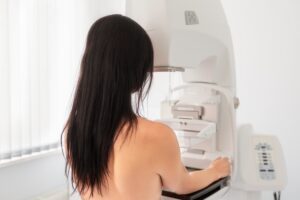
- Mammogram, when appropriate based on age and individual circumstances
- Fine needle aspiration, where fluid may be removed from the cyst if necessary for diagnosis or symptom relief
The appropriate investigations will vary depending on each person’s individual situation.
Can Breast Cysts Be Treated?
Treatment depends on the nature of the cyst and whether it causes symptoms. Management options may include,
- Observation if the cyst is uncomplicated and not causing discomfort
- Fine needle aspiration if the cyst is painful or large
- Follow-up imaging if recommended by your doctor
- Further assessment if the findings require additional evaluation
Many breast cysts do not require surgery.
How Can You Monitor Breast Health?
Being familiar with how your breasts normally look and feel makes it easier to notice any changes. You can support breast health by,
- Being aware of any new lumps or changes
- Attending recommended breast screening appointments
- Seeking medical advice if symptoms persist or worsen
- Following your doctor’s recommendations for monitoring or follow-up
Frequently Asked Questions
Are breast cysts usually cancerous?
Most breast cysts are non-cancerous. However, any new or changing breast lump should be assessed to determine its cause.
Can breast cyst symptoms come and go?
Yes. Some breast cyst symptoms, such as tenderness or changes in size, may fluctuate with hormonal changes during the menstrual cycle.
Should all breast cysts be removed?
Not necessarily. Many breast cysts only require monitoring. Treatment depends on factors such as symptoms, size and investigation findings.
When should I see a doctor about a breast lump?
You should seek medical assessment if you notice a new breast lump, changes in an existing lump, persistent pain, nipple discharge or changes to the skin or nipple.
Book a Consultation at Radhika Breast & General Surgery
If you have noticed breast cyst symptoms, a new breast lump or changes in your breast health, timely medical assessment can help identify the cause and determine whether further investigation is needed.
Dr Radhika Lakshmanan at Radhika Breast & General Surgery provides comprehensive assessment of breast conditions, including breast cysts, and will recommend appropriate investigations and management based on your individual needs.
Consider scheduling a consultation with Radhika Breast & General Surgery today for a professional breast assessment and personalised care.