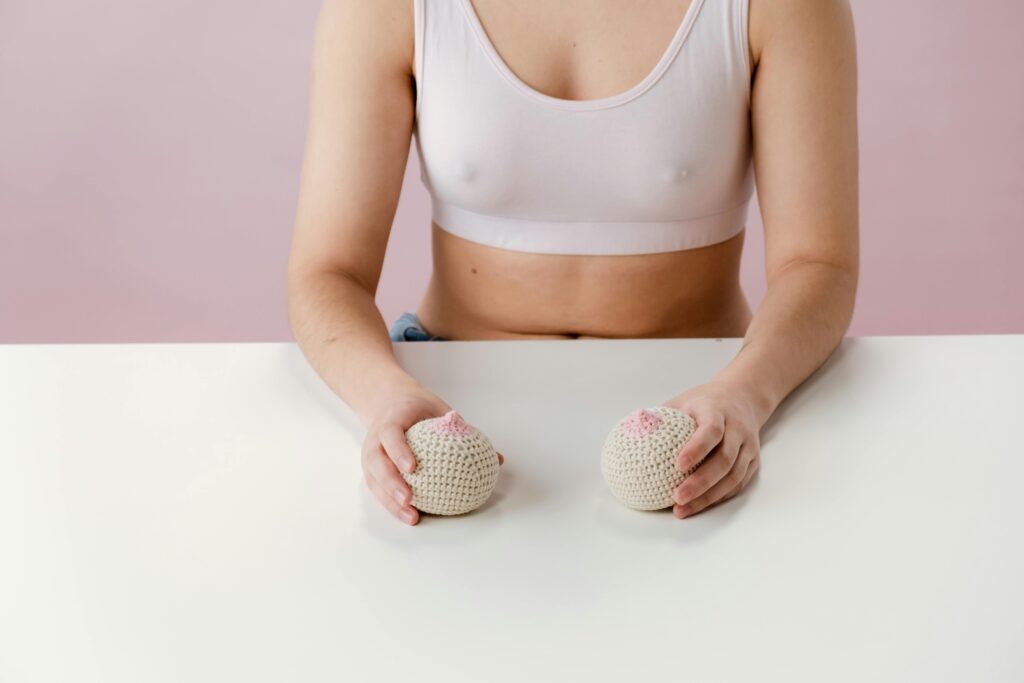
Finding a lump in your breast can feel alarming, but does it always mean something serious? Understanding breast lump causes can help you respond calmly and take the right next steps without unnecessary panic.
Key Takeaways
- Not all breast lumps are cancerous, many are benign and common.
- Hormonal changes are one of the most frequent breast lump causes.
- Early evaluation helps differentiate between harmless and concerning lumps.
- Most breast conditions are manageable when assessed promptly by a qualified doctor.
What Are the Common Breast Lump Causes?
Breast lumps can arise from a variety of conditions, many of which are non-cancerous,
- Hormonal changes- Fluctuations during menstrual cycles, pregnancy, or menopause often cause temporary swelling or lumpiness
- Fibroadenomas- Solid, non-cancerous lumps common in younger women, are usually smooth, firm, and movable
- Breast cysts- Fluid-filled sacs that may feel tender and can change in size over time
- Infections or abscesses- May cause pain, redness, and swelling and more common during breastfeeding
- Fat necrosis- Occurs after injury to breast tissue and can feel like a firm lump
- Breast cancer- Less common compared to benign causes and typically presents as a hard, irregular, painless lump
While this list covers typical breast lump causes, proper clinical evaluation is essential to confirm the diagnosis.
How Can You Tell If a Breast Lump Might Be Benign?
Although only medical assessment can provide certainty, some features are more often linked to non-cancerous lumps,
- Smooth and well-defined edges
- Moves easily under the skin
- Changes with menstrual cycle
- Associated with tenderness or pain
However, these are general observations, not definitive indicators. It is important not to rely solely on self-assessment.
When Should You Seek Medical Advice for a Breast Lump?
You should consider consulting a doctor if you notice,
- A new lump that persists beyond a few weeks
- Changes in breast size, shape, or skin texture
- Nipple discharge, especially if bloody
- Skin dimpling or redness
- A lump that feels hard or irregular
Early evaluation helps rule out serious conditions and provides peace of mind.
How Are Breast Lumps Evaluated?
Doctors typically follow a structured approach,
- Clinical breast examination
- Imaging tests such as Ultrasound which is commonly used for younger women and mammogram is more common for older women
- Biopsy, if required is a small tissue sample is analysed for accurate diagnosis
This step-by-step approach ensures that all possible breast lump causes are carefully assessed.
FAQs
Are most breast lumps cancerous?
No, most breast lumps are benign. Conditions like cysts and fibroadenomas are far more common.
Can breast lumps go away on their own?
Yes, some lumps related to hormonal changes or cysts may resolve without treatment.
Do painful breast lumps indicate cancer?
Pain is more often associated with benign conditions, but any persistent lump should still be evaluated.
Should men be concerned about breast lumps?
Yes, although rare, men can also develop breast lumps and should seek medical advice if one is detected.
Should You Be Concerned About a Breast Lump?
Not every breast lump is a cause for concern but every lump deserves attention. Understanding different breast lump causes can help reduce anxiety, but it should never replace proper medical evaluation.
If you’ve noticed any changes or have concerns, consulting a qualified doctor is the most reliable way to get clarity. At Radhika Breast & General Surgery, Dr Radhika Lakshmanan and her team provides careful assessment and personalised guidance in a professional and supportive setting.
Take a proactive step towards your breast health, schedule a consultation today to ensure timely and appropriate care.