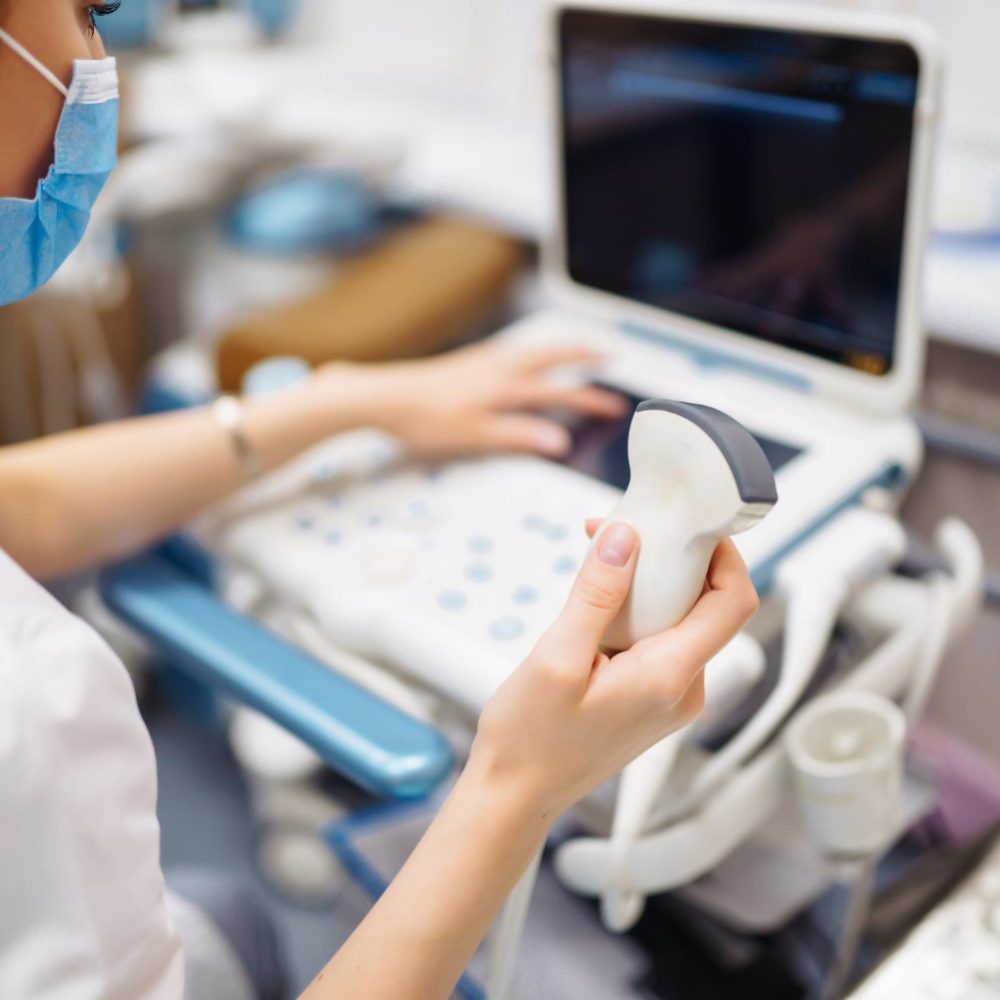
Breast Ultrasound in Singapore
Learn when a breast ultrasound is recommended, how it works, and how it supports breast cancer screening and diagnosis.
Breast screening using ultrasound for breast lumps, dense breast tissue, and further evaluation after a mammogram
What Is a Breast Ultrasound?
A breast ultrasound is an imaging test that uses sound waves to examine breast tissue. It is commonly used to assess specific areas of concern, such as a breast lump, or as part of breast screening in selected patients.
Key Points:
- Does not use radiation
- Can help evaluate lumps or abnormalities
- Often used alongside mammogram screening
When Do You Need a Breast Ultrasound?
A breast ultrasound may be recommended if you have symptoms such as a lump, or as part of breast screening in younger women or those with denser breast tissue.
Common reasons include:
- You feel a breast lump
- You have breast pain or changes in the breast
- You are below 40 and require breast screening
- Further evaluation is needed after a mammogram
- You are pregnant or prefer a test without radiation
Breast Ultrasound vs Mammogram: What’s the Difference?
Breast Ultrasound
- Uses sound waves (no radiation)
- Useful for evaluating specific lumps
- Commonly used in younger women
Mammogram
- Uses low-dose X-rays
- Used for routine breast cancer screening
- More effective for detecting early changes
Do You Need Both?
Some patients may require both tests for a more complete assessment, depending on their symptoms and breast tissue.
What Happens During a Breast Ultrasound?
A breast ultrasound is a simple and non-invasive procedure.
Steps:
- A gel is applied to the breast
- A handheld probe is moved over the skin
- Images of the breast tissue are captured in real time
The scan is typically performed by a radiographer. If any abnormalities are detected, the breast specialist may review the images and perform an additional ultrasound if needed.
The procedure is generally painless and does not involve radiation.
What Can a Breast Ultrasound Show?
A breast ultrasound helps differentiate between different types of breast changes.
It may detect:
- Fluid-filled cysts
- Solid lumps
- Areas requiring further investigation
An ultrasound alone may not confirm a diagnosis. Further tests may be recommended depending on the findings.
Can Breast Ultrasound Be Used to Guide a Biopsy?
Yes. Breast ultrasound is often used to guide biopsies of breast lumps. This allows precise sampling of the area being assessed.
Who Is Breast Ultrasound Suitable For?
- Women under 40 undergoing breast screening
- Patients with dense breast tissue
- Individuals with breast symptoms such as lumps or pain
- Pregnant women requiring breast assessment
Because it does not use radiation, breast ultrasound is considered suitable during pregnancy.
Will You Need Other Tests After an Ultrasound?
Depending on the findings, your doctor may recommend further evaluation, such as:
- Mammogram screening
- MRI of the breast
- Biopsy
Not all findings are serious, but additional tests help provide clarity.
Common Questions About Breast Ultrasound
Q1: Is breast ultrasound painful?
It is generally painless and non-invasive.
Q2: Can ultrasound detect breast cancer?
It can detect abnormalities, but further tests may be needed to confirm a diagnosis.
Q3: Can I choose ultrasound instead of a mammogram?
It depends on your age, symptoms, and risk factors.
Q4: How long does a breast ultrasound take?
Usually around 15–30 minutes.
Q5: Is breast ultrasound safe during pregnancy?
Yes, as it does not involve radiation.
Speak to a Breast Specialist About Your Ultrasound Results or Symptoms
If you have been advised to undergo a breast ultrasound or have noticed a change such as a lump or persistent discomfort, a consultation can help clarify what the findings mean and whether further tests are needed.
At Radhika Breast General Surgery, assessments are led by Dr Radhika Lakshmanan, a breast specialist experienced in evaluating breast conditions using ultrasound and other imaging tools. Recommendations are based on your symptoms, imaging results, and clinical findings.
You may also consider a consultation if you would like a clearer understanding of your ultrasound report or guidance on next steps