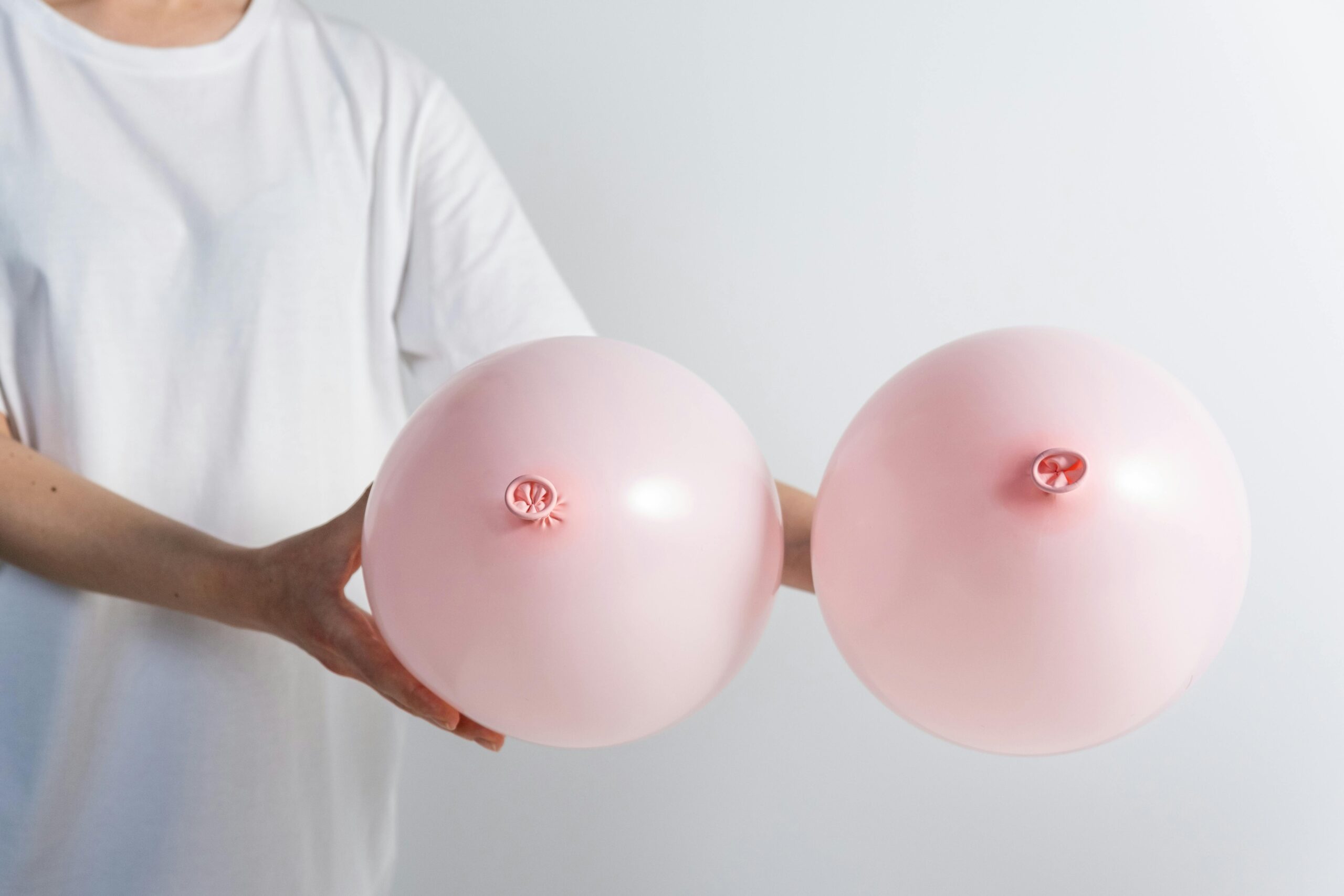
What Is Breast Hypertrophy?
Breast hypertrophy is a recognised medical condition. Understanding what it is, and how it differs from normal breast size variation can help women decide when it may be appropriate to seek medical advice.

Breast hypertrophy is a recognised medical condition. Understanding what it is, and how it differs from normal breast size variation can help women decide when it may be appropriate to seek medical advice.

Feeling multiple lumps in your breast can be worrying, especially if they seem to appear suddenly or feel different from before. Many women search for answers online using phrases like “multiple lumps in breast” or “why do I have many lumps in my breast”, often hoping for reassurance.

When a woman undergoes a lumpectomy to remove a breast lump or early-stage cancer, some may notice changes in the breast’s shape, volume, or symmetry afterwards. Partial breast reconstruction, also known as oncoplastic breast surgery, is designed to help restore the breast’s contour while keeping as much natural tissue as possible.

Breastfeeding can be a rewarding experience, but it sometimes comes with unexpected challenges. One of these is a breast abscess, a painful infection that can develop when blocked milk ducts or mastitis are not resolved early. Recognising the symptoms and seeking timely care can prevent complications and help you continue breastfeeding safely.

Mammograms are one of the most reliable tools for detecting breast cancer early –often before any symptoms appear. But one common question many women have is: When should I start getting screened?

Noticing swelling or a lump under your armpit can feel alarming. Sometimes, it’s a simple reaction to infection or irritation, but in other cases, it may be linked to your breast health. Because the lymph nodes under the armpit are closely connected to the breast, changes there can sometimes signal that something deeper is happening.

It’s common to worry when you feel breast pain, after all, many women associate any breast discomfort with breast cancer. But here’s some reassurance: most breast pain isn’t linked to cancer. In fact, it’s usually caused by hormonal changes, cysts, or benign breast conditions.

Stage 3 breast cancer is considered locally advanced, which means the cancer has grown beyond the breast but has not spread to distant parts of the body like the lungs or liver.

Breast health is important at every stage of life, but the concerns women face can differ depending on their age. From benign lumps in young women to screening needs in midlife and changes related to menopause, a breast doctor can provide guidance, reassurance, and treatment tailored to each stage.

Finding a lump in your breast can be unsettling. Naturally, the first question that comes to mind is whether it could be cancer. While some lumps are concerning, many are harmless (benign). Understanding the difference is useful. But it’s equally important to remember that self-checks are not a substitute for professional medical evaluation.