Will Removing One Milk Duct Affect Breastfeeding or Change the Shape of Your Breast?
Is breast pain something you can simply manage at home, or could it be your body's way of telling you to pay closer attention?

Is breast pain something you can simply manage at home, or could it be your body's way of telling you to pay closer attention?

Carrying a BRCA1 or BRCA2 gene mutation increases your lifetime risk of developing breast cancer, but it does not mean you will definitely develop the disease. Your individual risk depends on factors such as the specific mutation, family history, and age. Understanding your genetic risk can help you make informed decisions about genetic counselling, regular screening, and preventive care.
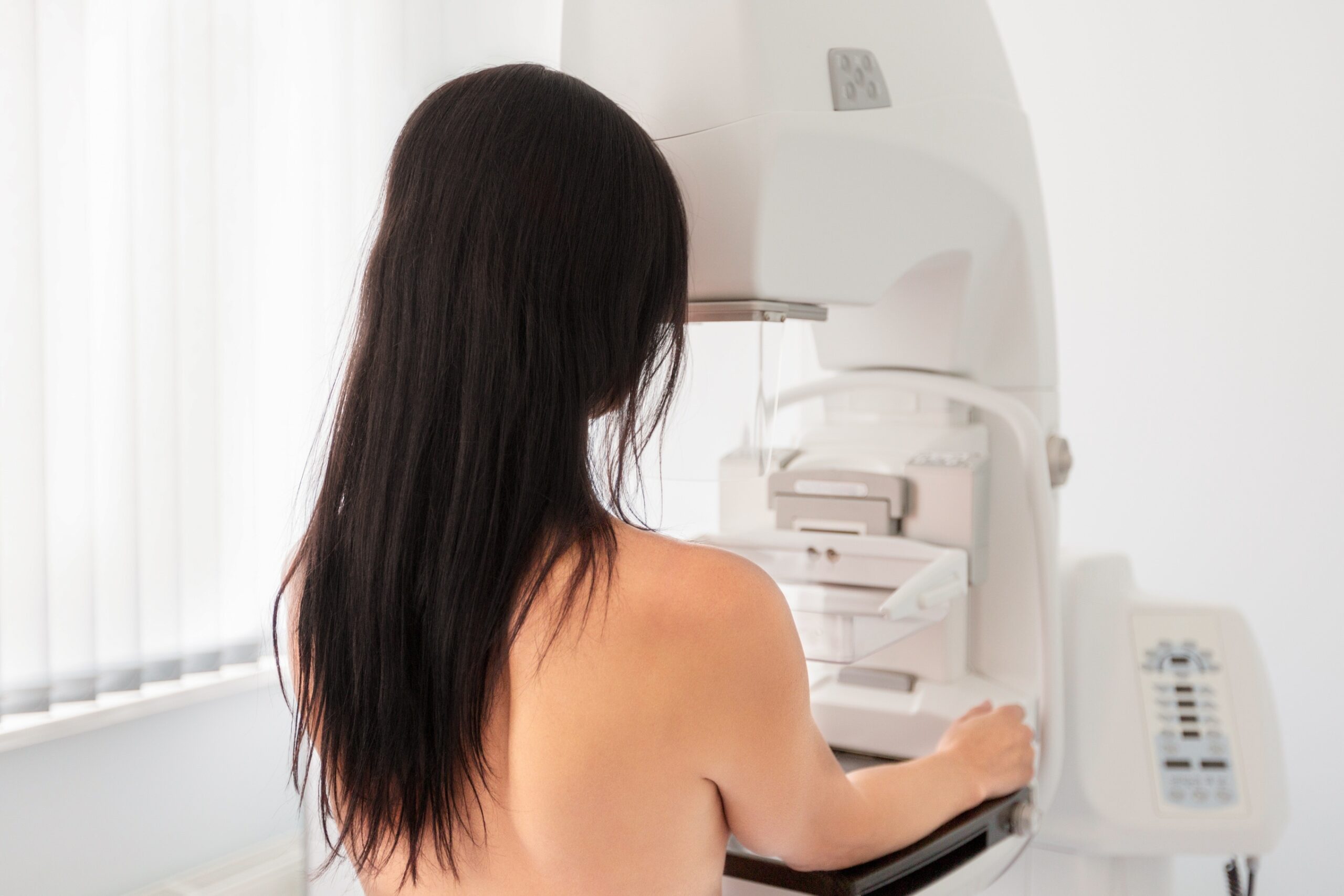
You generally do not need to fast or change your usual routine, but avoiding deodorant, talcum powder, lotions or creams around the breasts and underarms on the day can help keep the mammogram images clear.

Occasional indigestion may settle with simple lifestyle changes. But when symptoms keep returning, do not improve, or occur alongside signs such as difficulty swallowing, persistent vomiting, unexplained weight loss or possible gastrointestinal bleeding, a medical assessment may be needed.

Large breasts can sometimes contribute to persistent neck, shoulder or upper back discomfort, skin irritation, difficulty exercising, or everyday problems with clothing. What many people may not realise is that breast size alone does not determine whether treatment is appropriate, the symptoms and their impact on daily life matter too.

Having a close relative with breast cancer does not automatically mean you carry an inherited gene change. However, the pattern of cancer in your family, including which relatives were affected, their age at diagnosis and whether other related cancers occurred can provide important clues.

Yes, mastitis can occur outside the breastfeeding period too. Non lactational mastitis can cause breast pain, redness, swelling, tenderness or a lump, and may be linked to infection, blocked ducts, nipple trauma, smoking or other breast conditions.
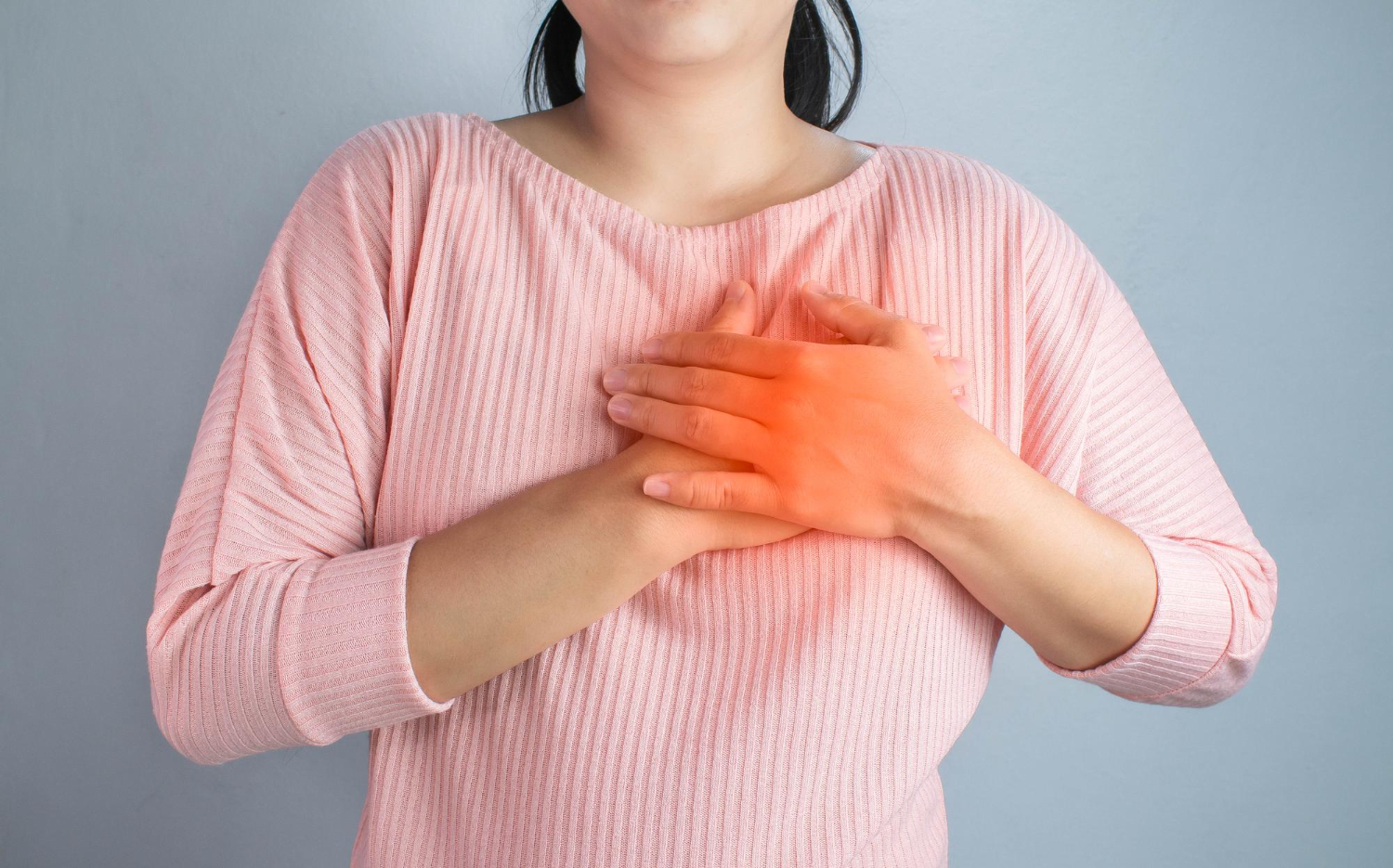
You may be experiencing cyclical breast pain, which can be linked to the natural hormonal changes that happen during your menstrual cycle. But here’s something many women don’t realise: a familiar monthly pattern does not mean every new or changing breast symptom should automatically be blamed on hormones.

Many women assume larger breasts are only a cosmetic concern, but persistent back, neck or shoulder pain, skin irritation, and difficulty staying active could be signs of breast hypertrophy. Knowing when these symptoms may need medical attention can help you make informed decisions about your health.

Many upper digestive conditions can cause similar symptoms, making it difficult to know what's really happening. A gastroscopy helps doctors examine the oesophagus, stomach and upper small intestine to identify possible causes such as inflammation, ulcers or other abnormalities, allowing for appropriate diagnosis and treatment planning.