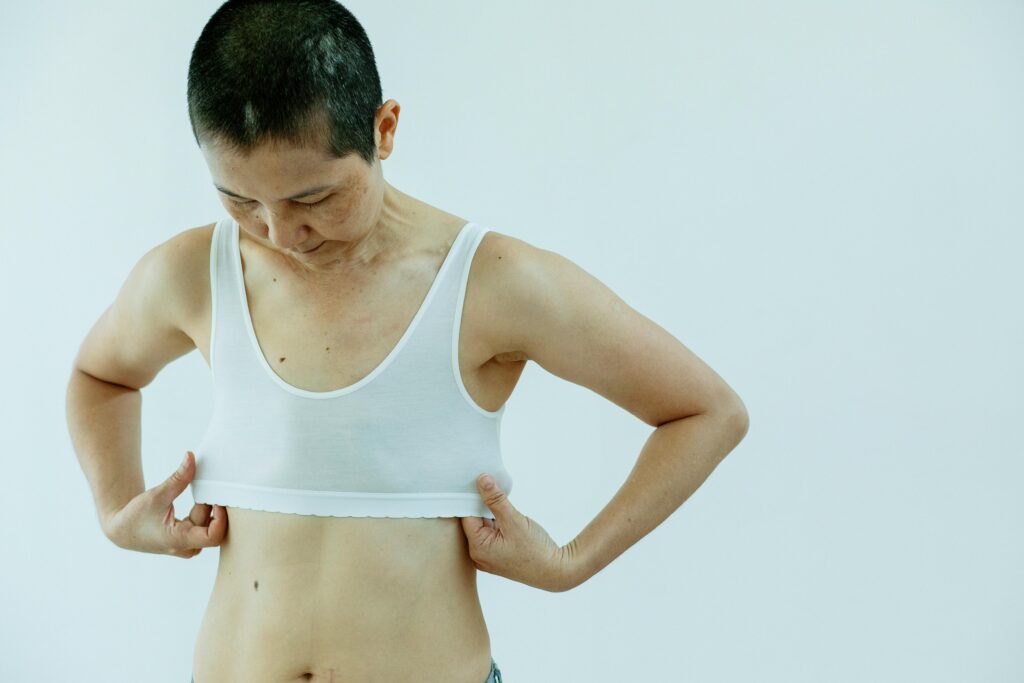
Breast cancer treatment has evolved significantly over the years, with surgical options designed not only to treat the disease but also to consider a patient’s physical and emotional well-being. One such option is nipple sparing mastectomy, a surgical procedure that removes breast tissue while preserving the nipple and surrounding skin in carefully selected patients.
Understanding when this surgery may be recommended can help individuals diagnosed with breast cancer make informed decisions together with their doctor.
Key Takeaways
- Nipple sparing mastectomy removes breast tissue while preserving the nipple and breast skin.
- It may be considered in certain early-stage breast cancers or preventive surgeries.
- Patient suitability depends on factors such as tumour location, size, and overall breast health.
- Careful evaluation by a breast surgeon helps determine whether this option is appropriate.
What Is a Nipple-Sparing Mastectomy?
A nipple sparing mastectomy is a type of breast cancer surgery in which:
- The breast tissue is removed
- The nipple and areola are preserved
- The skin of the breast remains intact
This technique allows for immediate or delayed breast reconstruction, which may help maintain the natural appearance of the breast after surgery. However, not every patient is a suitable candidate. The decision is based on medical assessment and imaging results.
When Do Doctors Recommend a Nipple-Sparing Mastectomy?
Doctors may consider a nipple sparing mastectomy in specific situations where preserving the nipple does not increase cancer risk.
Common scenarios include,
- Early-Stage Breast Cancer- Patients diagnosed with early-stage breast cancer may be considered if the tumour is small and the cancer is not located near the nipple. The imaging shows no involvement of the nipple or surrounding tissue.
- Preventive (Risk-Reducing) Surgery- Some individuals choose preventive surgery due to a higher genetic risk of breast cancer, such as BRCA1 or BRCA2 gene mutations or as strong family history of breast cancer. In these cases, nipple sparing mastectomy may be discussed as part of a risk-reduction strategy.
- Tumours Located Away From the Nipple- A key consideration is the distance between the tumour and the nipple. Doctors may recommend the procedure when the tumour is far enough from the nipple or the imaging and biopsy results show no cancer involvement in the nipple area
- Suitable Breast Anatomy and Skin Condition- The overall condition of the breast also matters. Doctors will assess factors such as breast size and shape, skin quality and blood supply and previous breast surgeries or radiation therapy. These factors influence healing and surgical outcomes.
What Are the Potential Benefits of a Nipple-Sparing Mastectomy?
For suitable patients, the procedure may offer several potential advantages. Some possible benefits include,
- More natural cosmetic appearance after reconstruction
- Preservation of the breast skin envelope
- Psychological and emotional comfort for some patients
- Option for immediate breast reconstruction
It is important to note that the primary goal of surgery remains cancer treatment and safety. Doctors will carefully evaluate whether preserving the nipple is appropriate for each patient.
What Factors Determine Eligibility for This Surgery?
Before recommending a nipple sparing mastectomy, doctors usually perform several assessments, including,
- Breast imaging (mammogram, ultrasound, or MRI)
- Clinical examination
- Biopsy results
- Overall health evaluation
These steps help ensure that the surgical approach is both safe and suitable for the patient’s condition.
Frequently Asked Questions
- Is nipple sparing mastectomy safe for breast cancer treatment?
In appropriately selected patients, studies suggest that nipple sparing mastectomy can be a safe surgical option. However, the suitability depends on the cancer type, location, and individual medical assessment.
- Will the nipple still have sensation after surgery?
Some patients may experience reduced or altered sensation in the nipple area after surgery. Sensation varies depending on nerve preservation and healing.
- Can breast reconstruction be done at the same time?
Yes. In many cases, immediate breast reconstruction can be performed during the same surgery, although the final decision depends on the patient’s health condition and treatment plan.
- Does preserving the nipple increase the risk of cancer recurrence?
For patients who meet the appropriate criteria, preserving the nipple does not appear to significantly increase the risk of recurrence, but careful screening and evaluation are essential before proceeding.
When Should You Speak With a Breast Surgeon?
If you or a loved one has been diagnosed with breast cancer, understanding the available surgical options is an important step in planning treatment.
At Radhika Breast and General Surgery, Dr Radhika Lakshmanan provides assessment and guidance for individuals exploring different breast cancer treatment options, including whether nipple sparing mastectomy may be appropriate for their condition.
A consultation allows for:
- Personalised evaluation of your diagnosis
- Discussion of suitable surgical options
- Clarification of any concerns about treatment and recovery
If you would like to learn more about your options, you may consider scheduling a consultation with Dr Radhika Lakshmanan at Radhika Breast and General Surgery in Singapore to discuss the most appropriate approach for your situation.