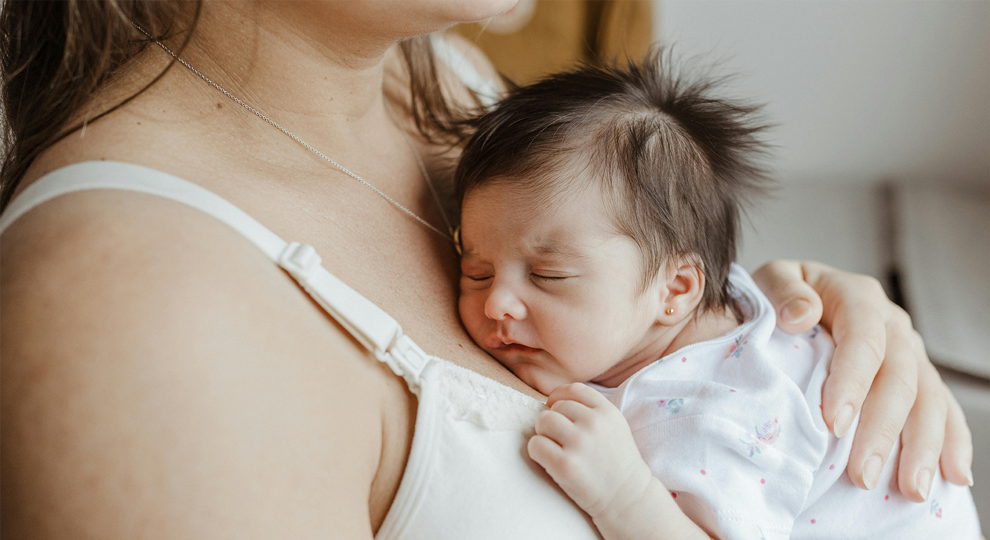
Breastfeeding can be a rewarding experience, but it can also come with unexpected challenges. One of these is a breast abscess, a painful infection that can develop when blocked milk ducts or mastitis are not resolved early. Recognising the symptoms and seeking timely care can prevent complications and help you continue breastfeeding safely.
Key Pointers
- A breast abscess often starts as untreated mastitis or a blocked milk duct.
- Early signs include swelling, redness, warmth, and severe breast pain.
- Some women develop fever or flu-like symptoms.
- Ultrasound scans can help confirm the diagnosis and guide treatment.
- Early medical attention allows effective treatment and supports continued breastfeeding.
What Is a Breast Abscess?
A breast abscess is a pocket of pus that forms within the breast tissue due to infection. It usually occurs in women who are breastfeeding, especially after a case of mastitis (inflammation caused by trapped milk or bacteria entering through cracked nipples).
When bacteria grow in the milk ducts, the body’s immune response creates a collection of pus that feels like a painful lump under the skin.
What Are the Early Signs of a Breast Abscess?
The symptoms can develop gradually or suddenly. Watch for:
- A painful, firm lump in the breast that may feel warm to the touch
- Redness or swelling in one area
- Fever or chills, often signalling infection
- Pus or discharge from the nipple
- Fatigue or flu-like symptoms
If these signs appear, it’s best to seek medical attention early. Abscesses don’t always resolve with home remedies and may need drainage to heal properly.
How Is It Diagnosed?
A clinical examination and ultrasound are usually enough to confirm the diagnosis.
- The ultrasound helps identify whether the lump is solid or fluid-filled (confirming an abscess).
- If needed, the pus may be drained for laboratory testing to identify the bacteria causing the infection.
This step ensures that the prescribed antibiotics are effective for the specific infection.
How Is a Breast Abscess Treated?
Treatment depends on the severity of the infection and how early it’s detected.
1. Antibiotics
If caught early, antibiotics may help control the infection before it forms an abscess.
2. Drainage
When an abscess has already formed, it usually needs to be drained. This can be done through:
- Needle aspiration under ultrasound guidance (a small needle removes the pus)
- Surgical drainage if the abscess is large or recurring
3. Pain Relief and Support
Applying warm compresses, staying hydrated, and continuing to empty the breast (by breastfeeding or pumping) can relieve discomfort and reduce milk buildup.
Can You Continue Breastfeeding?
In most cases, yes. Continuing to breastfeed, or at least express milk, helps prevent further engorgement and supports healing. Your doctor will guide you on whether to feed from the affected breast, depending on the infection’s severity and treatment. If breastfeeding from the infected side isn’t possible, it’s important to express milk to maintain supply and prevent new blockages.
FAQs About Breast Abscess While Breastfeeding
1. How is a breast abscess different from mastitis?
Mastitis is inflammation that can lead to infection. A breast abscess forms when pus collects due to untreated or severe mastitis.
2. Will I need surgery for a breast abscess?
Not always. Many abscesses can be treated with needle drainage under ultrasound guidance. Surgery is only needed for large or persistent cases.
3. Can I still breastfeed while taking antibiotics?
Yes, most prescribed antibiotics are safe during breastfeeding. Always check with your doctor before continuing.
4. How soon will I feel better after treatment?
Many women notice improvement within a few days after drainage and antibiotics, though complete healing may take a week or two.
5. Can a breast abscess come back?
Recurrence can happen, especially if milk stasis or cracked nipples persist. Proper breastfeeding technique and hygiene reduce the risk.
Book a Consultation at The Radhika Breast & General Surgery Clinic
If you’re experiencing breast pain, swelling, or a lump while breastfeeding, it’s important to get checked early. Dr Radhika Lakshmanan and the team at The Radhika Breast & General Surgery Clinic provide careful evaluation, imaging, and treatment options to help you recover safely while maintaining your breastfeeding goals.
Book a consultation today to receive timely care and professional guidance for your breast health. Early treatment can prevent complications and make your recovery smoother.