Key Takeaways
- Breast pain is common and can be linked to hormonal changes, medications, breast cysts or muscle strain.
- Pain that persists, worsens or affects daily activities deserves medical assessment.
- A new breast lump, nipple discharge or changes to the breast skin should not be ignored, even if the pain is mild.
- Breast pain alone is not usually a sign of breast cancer, but persistent or unexplained symptoms should be evaluated.
Breast discomfort often seems manageable at first. Perhaps it appears before your period, settles after a few days or improves with a warm compress. But what happens when the pain keeps returning, affects only one breast or does not respond to the usual remedies?
Knowing when to see a doctor for breast pain is not simply about how uncomfortable it feels. The location, duration, pattern and accompanying symptoms can all influence whether further investigation is necessary.
When Is Breast Pain Usually Safe to Monitor at Home?
Not all breast pain requires immediate medical attention. Some discomfort is temporary and associated with predictable changes in the body.
Some common causes include,
- Hormonal fluctuations- Breast tenderness can occur before menstruation due to changing hormone levels.
- Breast cysts- Fluid-filled sacs can cause localised tenderness or discomfort.
- Muscle strain- Pain from the chest wall muscles may feel as though it is coming from the breast.
- Medication- Certain hormonal medications and other medicines can contribute to breast tenderness.
- Pregnancy and breastfeeding- Hormonal changes, milk production and breastfeeding-related conditions can cause discomfort.
If the pain is mild, follows a familiar menstrual pattern and occurs without other concerning changes, monitoring it may be reasonable. However, temporary relief does not necessarily explain why the pain occurred in the first place.
What Signs Suggest It Is Time to See a Breast Specialist?
Rather than focusing only on pain intensity, pay attention to changes in your breast. Consider arranging a medical assessment if you experience,
- Breast pain that persists, repeatedly returns or gradually worsens.
- Pain concentrated in one particular area rather than generalised tenderness.
- A new lump or thickened area in the breast or armpit.
- Unusual nipple discharge, particularly if it is bloody or occurs without squeezing.
- Changes in breast shape, skin texture or nipple appearance.
- Skin dimpling, persistent redness or swelling.
A breast that becomes red, hot and swollen, particularly with fever or feeling unwell, may indicate an infection and warrants prompt medical assessment.
These symptoms do not automatically mean cancer. However, they should not be dismissed or managed indefinitely with home remedies.
Does Breast Pain Mean You Could Have Breast Cancer?
This is understandably one of the biggest concerns women have when experiencing breast discomfort.
Breast pain alone is not usually a presenting symptom of breast cancer. Many cases are associated with benign conditions or hormonal changes. However, breast cancer does not always cause pain, either. This means that the absence of discomfort does not rule it out.
A new lump, unexplained nipple discharge or changes to the breast skin should therefore be assessed, whether or not pain is present.
What Happens During a Medical Assessment?
A breast specialist will consider your symptoms alongside your medical history and examination findings. Depending on the situation, assessment may involve,
- Discussing when the pain started, where it occurs and whether it follows your menstrual cycle.
- A clinical breast examination to check for lumps, tenderness or other changes.
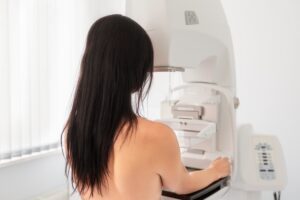
- Breast imaging, such as an ultrasound or mammogram, if clinically indicated.
- Further investigations if an examination or imaging finding requires clarification.
Not everyone experiencing breast pain needs imaging or a biopsy. The appropriate next step depends on individual findings, age and clinical circumstances.
Frequently Asked Questions
How long should I wait before getting breast pain checked?
There is no single timeframe that applies to everyone. Persistent, recurring or unexplained pain should be assessed, particularly if it is localised or accompanied by other breast changes.
Can breast pain occur without a lump?
Yes. Hormonal fluctuations, muscle strain and other benign conditions can cause breast pain without a detectable lump.
Should I see a doctor if breast pain disappears on its own?
If the discomfort was mild and followed a familiar pattern, monitoring may be reasonable. However, if it repeatedly returns or was accompanied by a lump, nipple discharge or skin changes, seek medical assessment even if the pain has settled.
Can stress cause breast pain?
Stress may influence how the body experiences discomfort, but it should not automatically be assumed to be the cause of breast pain. Persistent symptoms deserve appropriate assessment.
Which doctor should I consult for persistent breast pain?
A breast specialist or doctor experienced in breast conditions can assess persistent discomfort, investigate possible causes and recommend further evaluation when necessary.
Schedule a Consultation to Learn More About the Next Step
Breast pain is not always a cause for concern, but repeatedly managing it at home without understanding its cause may delay the assessment of an underlying condition.
If you are experiencing persistent discomfort, unexplained tenderness or changes in your breast, consider arranging a clinical assessment.
At Radhika Breast and General Surgery, Dr. Radhika Lakshamanan can assess breast-related concerns and advise on appropriate investigations or management based on individual findings. A consultation can help clarify what may be causing the discomfort and whether further evaluation is needed.