A 3D mammogram may sound like a complicated test, but the preparation is usually quite straightforward. Still, there are a few practical details worth knowing before you arrive and some common assumptions that can make the appointment seem more complicated than it needs to be.
Key takeaways
- Most people do not need to make major changes to their routine before a 3D mammogram.
- Avoiding deodorant, talcum powder or similar products around the breasts and underarms on the day may help prevent substances from appearing on the mammogram images.
- Tell the imaging team if you are pregnant, might be pregnant, breastfeeding or have breast implants.
- Scheduling can sometimes be more comfortable when the breasts are less tender, although this is not a requirement for everyone.
- Your preparation for a mammogram may differ slightly depending on your medical history and the reason for the examination.
Do you actually need to prepare for a 3D mammogram?
In most cases, there is no special diet, fasting or medication preparation required before a 3D mammogram.
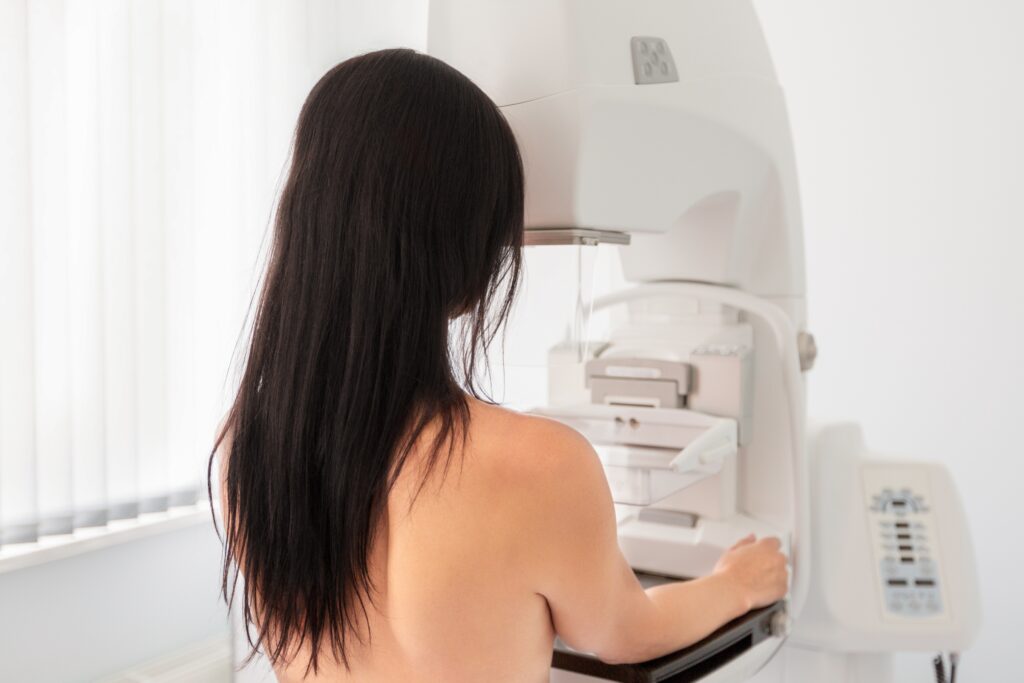
The more useful preparation is practical. You will usually need to undress from the waist up, so wearing a two-piece outfit rather than a dress can make things easier.
On the day of the examination, it is also sensible to avoid applying deodorant, antiperspirant, body powder, talcum powder, lotion or creams to the breasts and underarms. As some of these products can contain substances that may show up on a mammogram and potentially make the images harder to interpret.
This does not mean using deodorant before your appointment is dangerous. It is simply a precaution to keep the imaging as clear as possible.
What if my breasts are usually tender?
This is one of those details patients do not always think about until the appointment.
A mammogram involves gently but firmly compressing the breast between imaging plates. Some people find this uncomfortable, particularly when their breasts are already tender.
If you still have menstrual periods and notice that your breasts become more sensitive at certain times of your cycle, you may prefer to schedule the examination for a time when they are less tender, if your appointment timing is flexible.
However, you should not delay a clinically recommended examination simply because you are concerned about discomfort. Your doctor or imaging team can advise you based on your circumstances.
What should you tell the imaging team beforehand?
Let the healthcare professional performing the mammogram know about anything that may affect how the examination is carried out. This can include,
- A possibility or confirmation of pregnancy
- Breastfeeding
- Breast implants
- Previous breast surgery or breast procedures
- New breast symptoms or a lump you have noticed
- Previous mammograms or breast imaging performed elsewhere
Having this information helps the team understand your situation and plan the examination appropriately.
If you have had previous mammograms at another clinic or hospital, bringing details of those examinations or allowing the relevant images to be accessed, where possible, may also help with comparison.
Is there anything else I should do before my appointment?
Try not to overthink it. There is generally no need to fast or follow a special diet for a routine mammogram.
Give yourself enough time to arrive without rushing, and wear clothing that is easy to remove from the waist up. If you are particularly worried about discomfort, mention this to the imaging staff.
Most importantly, preparation does not determine what the mammogram will show. The purpose of the examination is to produce breast images that can be assessed appropriately in the context of your age, symptoms, medical history and previous imaging.
Frequently Asked Questions
- Can I eat and drink before a 3D mammogram?
Yes. Fasting is generally not required for a mammogram. You can follow your usual eating and drinking routine unless you have been given separate instructions for another procedure. - Can I wear deodorant to a mammogram?
It is generally better to avoid deodorant, antiperspirant, talcum powder, lotions and creams around the breasts and underarms on the day of the examination because some products may appear on the images. - Should I stop taking my usual medication?
Do not stop prescribed medication simply because you are having a mammogram. If you have specific concerns about your medication or have been given other instructions, check with your doctor or the imaging team. - Can I have a mammogram if I have breast implants?
Yes, women with breast implants can undergo mammography. Tell the imaging team about your implants beforehand so that appropriate imaging techniques can be considered. - What if I have noticed a breast lump before my mammogram?
Tell your doctor and the imaging team about the lump or any other breast changes. A mammogram may form part of the assessment, but the appropriate investigations depend on your symptoms and clinical findings.
Schedule a consultation and learn the next step
If you have been advised to have a 3D mammogram, you generally do not need an elaborate preparation routine. Knowing what to expect, sharing relevant medical information and following the instructions provided by your healthcare team are usually the most useful steps.
If you have questions about whether breast imaging is appropriate for your particular situation, a consultation can help clarify what assessment may be suitable.
At Radhika Breast and General Surgery, Dr. Radhika Lakshamanan can discuss your concerns and advise you on the appropriate next steps based on your individual circumstances.