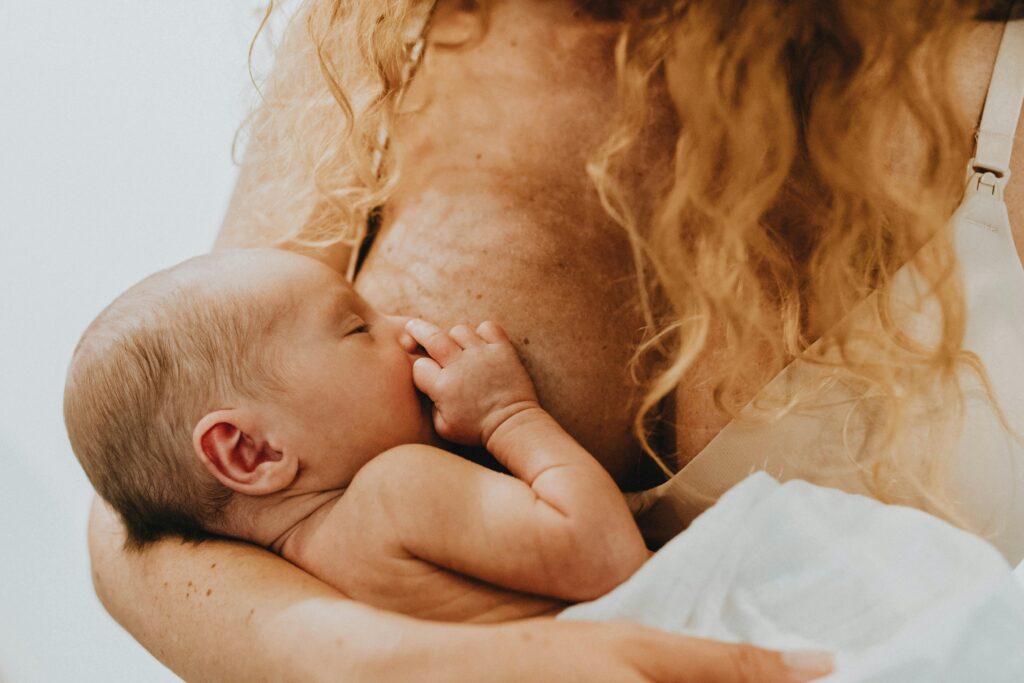
Many new mothers are told to expect some discomfort when they start breastfeeding. A little tenderness in the early days can be normal as both mum and baby adjust. But there’s a difference between initial adjustment and ongoing pain that makes every feed something you dread.
Breastfeeding is not meant to be a test of endurance. Persistent pain is often a sign that something needs attention, and seeking help is not a failure. It’s part of caring for yourself so you can care for your baby.
Key Pointers
- Mild tenderness in the first few days can be normal; ongoing pain is not.
- Conditions like blocked ducts, mastitis, and cracked nipples are common, and treatable.
- Sharp, burning pain or worsening discomfort should not be ignored.
- Many mothers delay seeking help due to guilt or pressure to “push through.”
- Early support can prevent complications and make breastfeeding more comfortable.
Is Pain a Normal Part of Breastfeeding?
Some sensitivity in the first week is common as your nipples and breast tissue adapt. This usually improves quickly as your baby’s latch settles and your body adjusts.
What isn’t normal is:
- Pain that persists beyond the first week
- Pain that worsens with each feed
- Discomfort that makes you dread feeding time
Being told to “just endure it” can be misleading. Ongoing pain is often your body’s way of saying something needs attention, whether it’s a latch issue, inflammation, or an early infection.
What Are the Most Common Lactational Disorders?
Several breastfeeding-related conditions can cause pain:
- Cracked or bleeding nipples – often linked to latch problems
- Engorgement – breasts become overly full, firm, and painful
- Blocked milk ducts – tender lumps caused by trapped milk
- Mastitis – inflammation or infection, sometimes with fever
- Nipple vasospasm – sharp pain and colour changes due to blood vessel spasm
These are common experiences for many mothers, and they are manageable with the right care.
How Do These Conditions Usually Feel?
Breastfeeding-related issues may present as:
- Sharp or burning pain during or after feeds
- Tender lumps in the breast
- Redness or warmth over one area
- Fever or flu-like symptoms
- Pain that intensifies rather than improves
These sensations are not something you simply have to live with. They are signs that support may be needed.
Why Many Mothers Ignore These Symptoms
Many women delay seeking help because of:
- The belief that pain is “part of the process”
- Fear of being seen as weak or complaining
- Limited access to guidance in the early postnatal period
- Pressure, from others or themselves, to “push through”
But pain that continues can affect not only breastfeeding, but also emotional well-being. Asking for help is not giving up, it’s protecting your health.
When Should You Seek Help?
Consider getting support if you experience:
- Pain that lasts beyond the first week
- Cracks or bleeding that don’t heal
- Recurrent blocked ducts
- Fever or worsening redness in the breast
- Emotional distress during feeds
Early attention can prevent complications such as infection or abscess formation.
Who Can Help With Breastfeeding Pain?
Different professionals offer support at different stages:
- Lactation consultants – help with latch, positioning, and feeding techniques
- GPs and women’s health doctors – assess infections or inflammation
- Breast specialists – manage persistent pain, lumps, or recurrent issues
Early guidance can make a significant difference. Many problems resolve more quickly when addressed early.
FAQs
1. Is breastfeeding supposed to hurt at the start?
Mild tenderness can occur in the first few days. Ongoing or worsening pain is not expected and should be assessed.
2. How long should initial discomfort last?
Usually a few days to a week. Pain beyond this may indicate an underlying issue.
3. Can mastitis start without a fever?
Yes. Early mastitis may begin with localised pain, redness, or warmth before systemic symptoms appear.
4. Should I stop breastfeeding if it hurts?
Not necessarily. Many conditions improve with proper guidance. A healthcare professional can advise based on your situation.
5. When should I see a breast specialist?
If pain is persistent, if you feel a lump that doesn’t resolve, or if symptoms keep recurring despite basic measures.
You Don’t Have to Push Through the Pain
Gentle, Practical Support for Breastfeeding Concerns
If breastfeeding is painful and you’re unsure why, Dr Radhika Lakshmanan and the team at Radhika Breast General Surgery are here to help. We provide careful assessment and guidance for breastfeeding-related pain, lumps, and infections, so you can feel supported, not judged.
Book an appointment today to get clarity and care for your breast health. Breastfeeding should not be something you suffer through.