Finding a lump in your breast can be unsettling. Naturally, the first question that comes to mind is whether it could be cancer. While some lumps are concerning, many are harmless (benign). Understanding the difference is useful. But it’s equally important to remember that self-checks are not a substitute for professional medical evaluation.
Key Pointers
- Cancerous lumps often feel hard, irregular, and immovable.
- Benign lumps are usually smooth, softer, and can move slightly under the skin.
- Not all painful lumps are cancer—many are due to cysts or fibroadenomas.
- Self-exams are important for awareness, but only a doctor can confirm the cause.
- If you notice changes that persist, it’s best to seek medical advice.
What Do Cancerous Lumps Usually Feel Like?
Cancerous lumps often have distinctive features compared to benign ones. They are more likely to feel:
- Hard or firm to the touch
- Irregular in shape rather than smooth and round
- Immovable, fixed in one spot rather than shifting under your fingers
These lumps usually do not go away with your menstrual cycle. While not all cancerous lumps are painful, some women do experience discomfort.
What About Benign Lumps? How Do They Feel?
Benign lumps come in different forms, but they often share some common characteristics:
- Cysts: Fluid-filled sacs that feel smooth and can sometimes be tender, especially before your period.
- Fibroadenomas: Solid, rubbery lumps that move easily under the skin and are often painless.
- Lipomas: Soft, fatty lumps that grow slowly and are harmless.
Benign lumps can fluctuate with hormonal changes, becoming more noticeable at certain times of the month.
Are Self-Exams Enough to Tell the Difference?
Self-exams are important because they help you become familiar with your own body and notice changes early. However, you cannot rely on touch alone to know if a lump is cancerous or not.
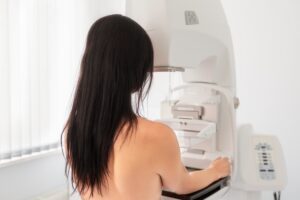
Medical imaging (like mammograms or ultrasounds) and sometimes biopsies are needed for a clear diagnosis. This is why self-checks should be paired with regular medical screenings and follow-up appointments.
Is It Time To See a Breast Doctor?
You should make an appointment if you notice:
- A new lump that does not go away after your menstrual cycle
- Changes in the size, shape, or texture of a lump
- Skin changes such as redness, dimpling, or puckering
- Nipple discharge, especially if bloody or persistent
- Ongoing pain or discomfort that doesn’t improve
It’s always safer to get reassurance and clarity from a professional rather than waiting and worrying.
FAQs About Breast Lumps
1. Are painful lumps more likely to be cancer?
Not necessarily. Many painful lumps are caused by cysts, infections, or hormonal changes. Cancerous lumps are often painless in the early stages.
2. Can breast lumps go away on their own?
Some benign lumps, especially cysts linked to hormonal changes, may shrink or disappear over time. But any persistent lump should be checked.
3. Should younger women worry about breast lumps?
While breast cancer is less common in younger women, benign lumps are more frequent in this age group. It’s still important to get any new lump assessed.
4. If I had a clear mammogram, can I ignore a lump?
No. Mammograms are useful, but they don’t always detect every type of lump. Always consult your doctor if you find a new or changing lump.
Book a Consultation at The Radhika Breast & General Surgery Clinic
If you’ve found a lump and aren’t sure what it means, don’t leave it to guesswork. Dr Radhika Lakshmanan and the team at The Radhika Breast & General Surgery Clinic can provide a thorough evaluation and guide you through the next steps.
Book a consultation today for clarity and peace of mind. Your health and reassurance matter, and we’re here to support you.